
Designing a Connected Ecosystem for Scalable Personalised Marketing
Optimising global marketing processes via generative AI, scalable automation, and secure data integration.
COMPANY: Coca-Cola ROLE: Service Designer & Researcher TIMELINE: 6 months

The Challenge
After several successful pilots across the globe, delivering personalised, geo-located ad’s to their target audience and increasing transactions within selected partners, Coca-Cola wanted to scale. The challenge was to bring these fragmented pilots together into one unified marketing framework that could be scaled globally.
My role was to identify the best technologies, practices and learnings from each pilot, and improve how teams create, activate and measure their campaigns using scalable automation, responsible generative AI and enhanced data governance.
Reviewed existing documentation to understand past efforts and identify key knowledge gaps.
Conducted interviews with subject matter experts to map out processes, technologies, and pain points.
Facilitated an all-stakeholder session to validate process understanding and produce a stakeholder map for our internal team, to assess each stakeholder’s potential impact on the project.
01
My Approach
Phase 1: Discovery & Alignment
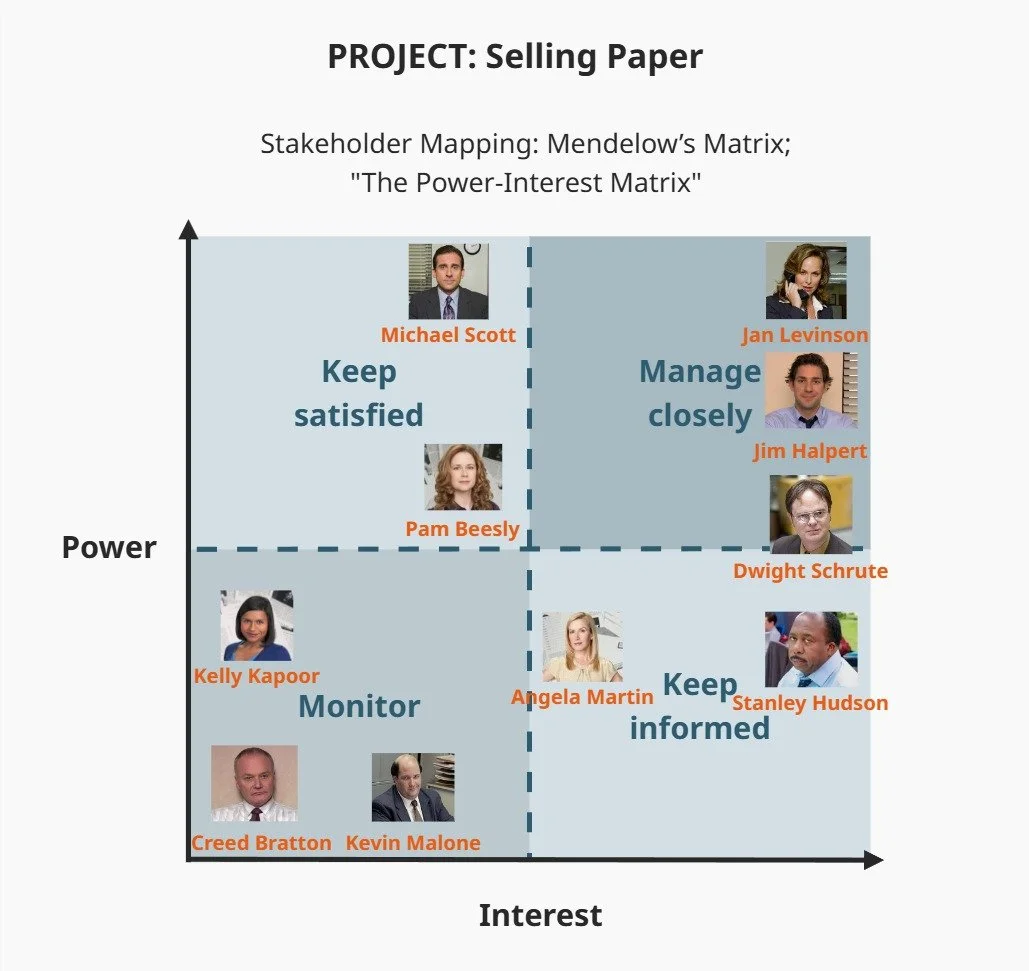
Original artefacts cannot be shared for confidentiality reasons. Above is stakeholder map using Mendelow’s Matrix to map stakeholders in the process of selling paper.
Designed and facilitated a three-part workshop series to cover the key stages :
Personalisation & Targeting: How teams use data to reach the correct customers effectively.
Content Creation: Understanding requirements for localised and personalised content, that can be generated using AI and scaled across regions.
Measuring Success: Exploring data storage, processing, and security across across partners and entities for consistent reporting.
I used these workshops to surface dependencies, challenges, and opportunities. The workshops were split into relevant stakeholders and subject matter experts, however stakeholders were given the option to attend all workshops if they wishes to know more about each stage of the process.
02
Phase 2: Collaborative Workshops
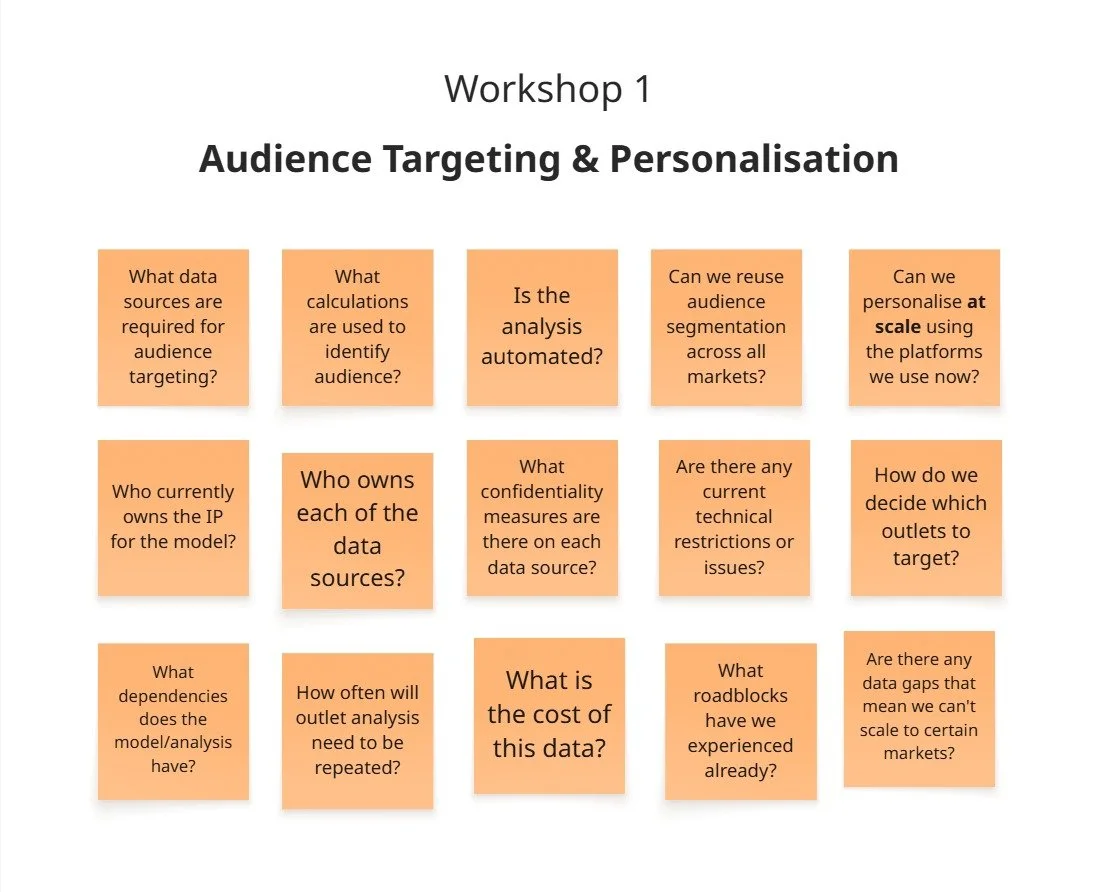
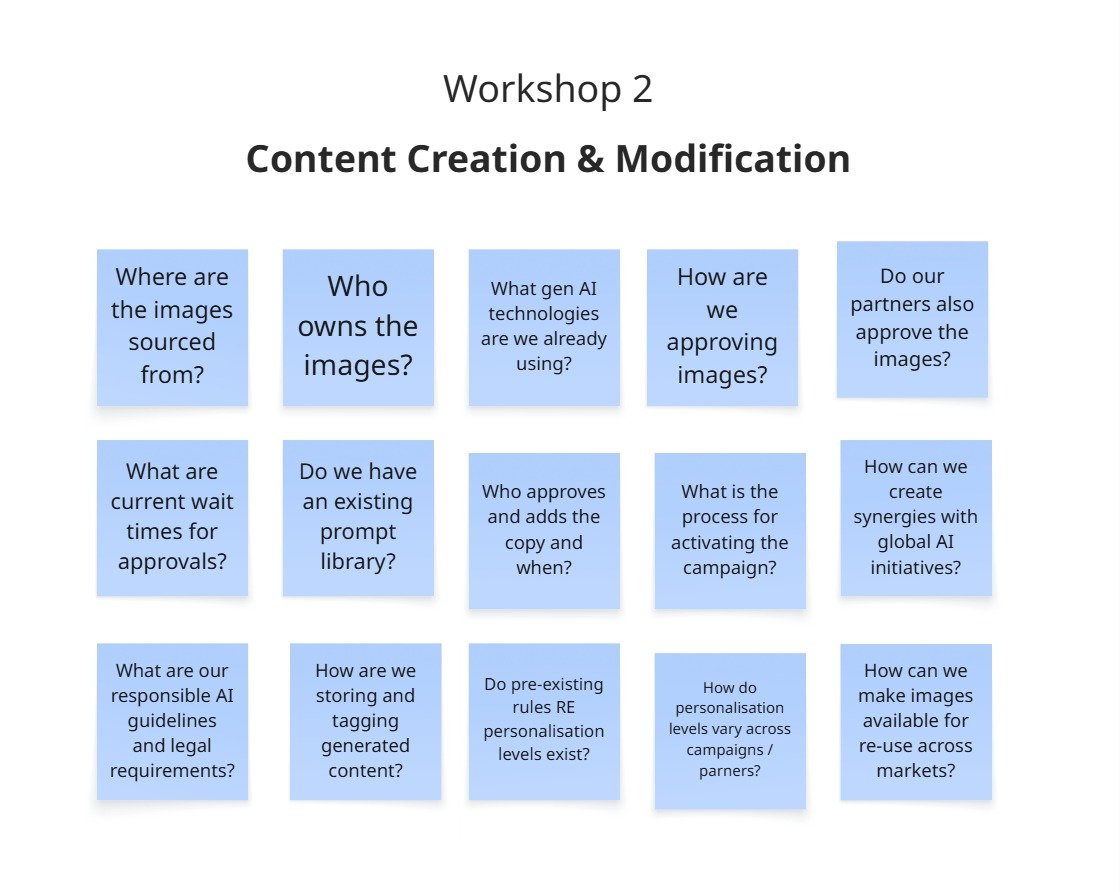
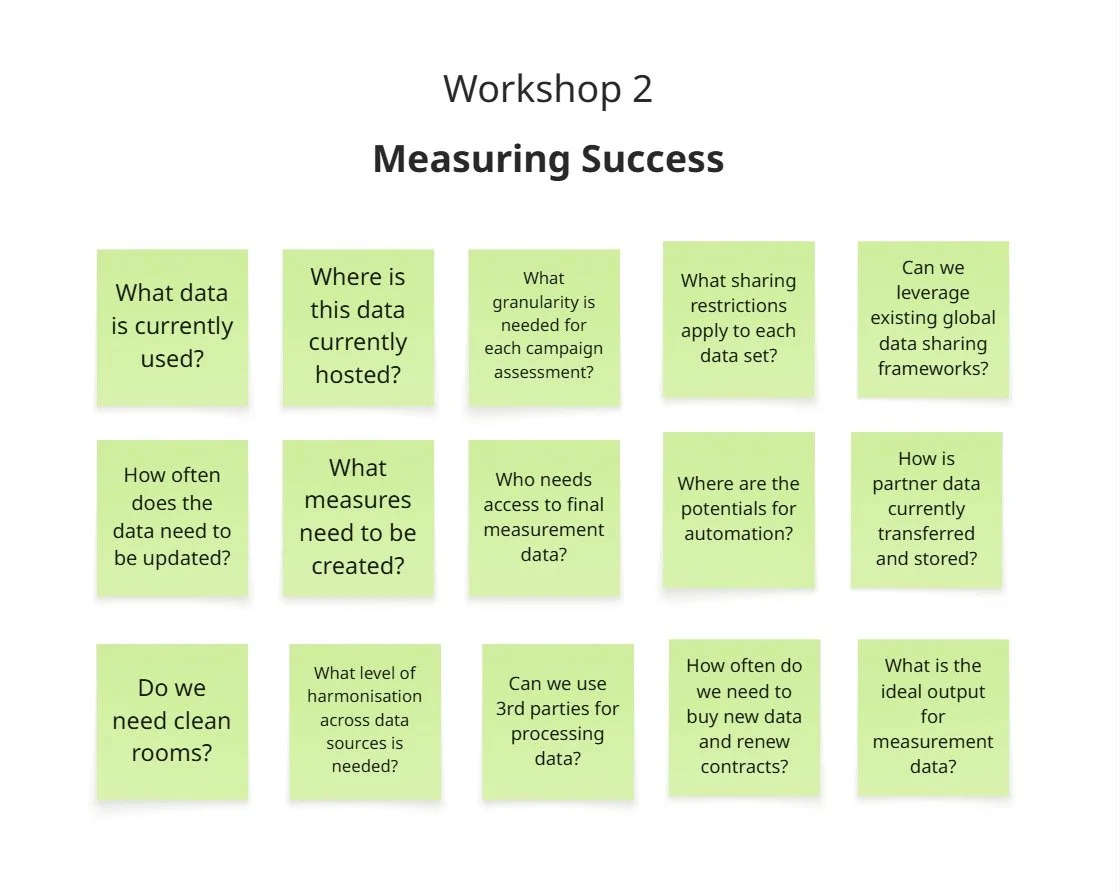
Original artefacts cannot be shared for confidentiality reasons.
Above are examples of the information I gathered during the workshops to help inform the ecosystem design .
Mapped user roles and permissions based on workshop insights, defining who needs to view, edit, or export data at each stage of the campaign.
Facilitated a user needs workshop using Jobs To Be Done and “I want” statements, covering both technical and UX requests from all user groups involved in the process.
Synthesised findings into thematic clusters to inform technical requirements and future scalability planning.
03
Phase 3: User & Data Mapping
Developed a three-year business case outlining financial projections and benefits for leadership alignment.
Collaborated with technical and vendor partners to blueprint the connected technology ecosystem - from data input & campaign activation to performance monitoring & management - ensuring compliance, security, and interoperability.
Created solution design documentation and an implementation roadmap aligned with leadership priorities.
04
Phase 4: Business Case & Solution Design

The Impact
The project delivered both structural and cultural impact within Europe and globally; aligning teams, technology, and leadership:
Secured leadership buy-in and investment for a multi-year roadmap, including the development of a centralised platform for personalised marketing in Europe.
Built a shared understanding of how marketing processes, data, and teams connect across regions.
Defined clear ownership and accountability throughout the campaign lifecycle.
Strengthened collaboration between business and technical teams through transparency and co-design.
Lessons Learnt
This project was multi-layered; it had several pre-existing solutions and processes - many with invested and strong willed stakeholders. There were commitments to partners, to the bottlers, to Coca-Cola’s internal AI teams and to senior leadership following the success of the pilots.
The project reinforced the importance of designing with users rather than for them - especially when dealing with complex systems and diverse teams. It showed me the power of taking a step back to align all those involved with simple methods such as workshops, 1-2-1 meetings and great documentation along the way (for those who couldn’t make it face-to-face), ensuring everyone stayed in the loop.
I learned how to balance pausing for reflection whilst still making progress each week, and how early stakeholder alignment can unlock faster, smoother scaling later on.